










Propane distribution clients are a valuable niche, but they come with high-severity exposures and strict regulatory requirements. From hazmat transport to tank storage, brokers who understand these risks and offer specialized coverage can win more accounts and build long-term trust in this market.
What drives loss for propane clients
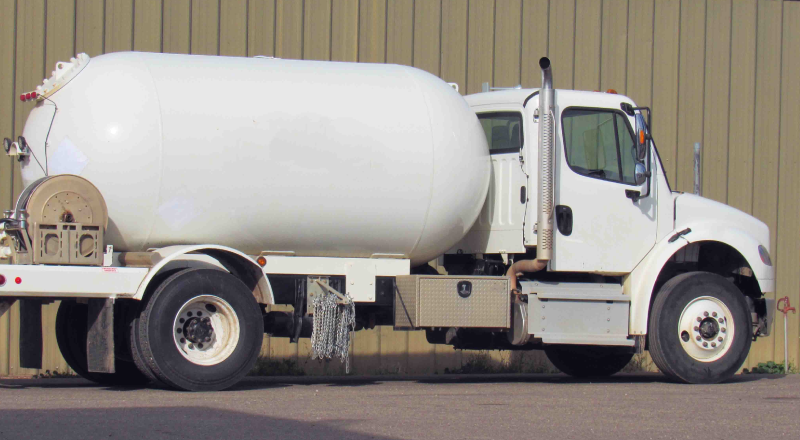
- Vehicle accidents: Delivery trucks hauling propane present major auto liability risks that can result in catastrophic claims.
- Transfer & handling risks: Hose failures, leaks, or improper evacuation during transfers are high-frequency, high-severity exposures.
- Storage & facility compliance: Storage & facility compliance: OSHA’s 29 CFR 1910.110 standard and NFPA 58 LPG Code govern propane tank placement and safety—noncompliance can void coverage or trigger fines.
- Broker tip: NFPA’s placement fact sheet is a helpful reference when reviewing site layout with clients.
- Employee safety: Drivers and technicians face injury risks from burns, lifting, and hazardous material exposure.
- Cyber exposure: Propane routing, billing, and telemetry systems are growing digital liabilities.
Broker quick wins (differentiate your value)
- Ask about compliance documentation: DOT/PHMSA training records, cargo tank inspections, and hose evacuation procedures can uncover gaps.
- Highlight pollution liability: Many propane distributors don’t realize pollution exposures are excluded under standard GL forms.
- Position cyber protection: Emphasize how digital scheduling and telemetry can expose them to uncovered cyber losses.
Coverage stack for propane clients (at a glance)
| Coverage Area | Core Protection Needed |
| Core liability | GL & products (fire/explosion) |
| On the road | Commercial auto (hazmat cargo) |
| High severity | Umbrella/excess liability |
| Environmental | Pollution liability |
| People | Workers’ compensation |
| Property/Tools | Property + inland marine (bulk tanks, meters) |
| Digital | Cyber (routing, billing, telemetry) |
Try this with your clients:
Run a 10-minute coverage review together. Ask if their current policies explicitly cover propane transfer, cargo tank operations, and pollution exposures. In many cases, they do not—creating an opening for you to bring specialized solutions.
Regulations like OSHA 1910.110 and NFPA 58 provide clear expectations around transfer and storage risks. Brokers who can reference these during a policy review add serious value.
Bottom line for brokers: Propane businesses need more than generic coverage. By leveraging specialized programs like PropanePro, you can deliver targeted protection, strengthen relationships, and grow your book with a complex but profitable class of business.
How PropanePro Helps Brokers and Clients Stay Covered
- Industry-aligned coverage for pollution, hazmat transport, and tank ownership
- Underwriting that understands the real-world exposures
- Guidance for brokers on preparing strong, accurate submissions
FAQs
Q: What is liquid petroleum gas insurance coverage, and how does it differ from standard commercial insurance?
Liquid petroleum gas insurance covers the real risks of your operation, including loading incidents, vapor leaks, contamination, cyberattacks, and regulatory shutdowns. It’s built to respond to failures across infrastructure, delivery, and compliance, not just property damage or accidents.
Q: How does insurance handle claims related to liquid petroleum gas loading equipment failures?
A strong policy will cover equipment breakdown, service disruption, site cleanup, and even environmental fallout. The best ones also include legal defense and income loss tied to the downtime, not just the hardware itself.
Q: Are cyber attacks on liquid petroleum gas facilities covered by standard business insurance?
Cyber liability for LPG operations should cover ransomware, operational shutdowns, lost access to systems, and regulatory fallout. Most basic plans exclude this, so you need protection that specifically targets your tech infrastructure.
Q: Does liquid petroleum gas insurance cover gradual environmental leaks or only sudden incidents?
Specialized LPG policies should cover both sudden leaks and long-term environmental damage, like vapor seepage, soil contamination, or odor issues that emerge over time, along with extended legal defense and third-party claims.